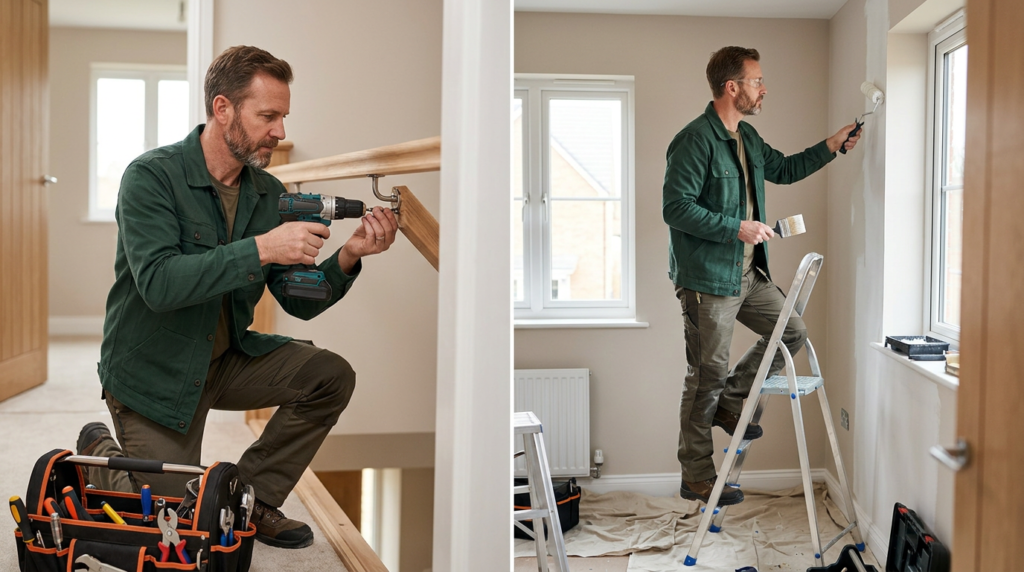
Quick answer: A handyman in Athens, GA can usually handle small-to-medium repairs and upgrades in one visit: drywall patches, door and cabinet adjustments, minor plumbing fixes, light fixture swaps, trim and caulk touch-ups, and mounting shelves or TVs. Jobs that require major structural work, new circuits, gas lines, or large plumbing reroutes typically need a licensed specialist or a dedicated trade crew.
Common One-Trip Handyman Jobs
Most homeowners call a handyman for the nagging stuff that’s too small for a full remodel but too annoying to ignore. Think sticking doors, loose cabinet hinges, wobbly railings, small drywall holes, baseboard gaps, or a bathroom fan that needs replacing. A good visit often combines several quick tasks so you get more done without scheduling multiple contractors.
If you’re trying to decide what to bundle, walk your house and make a punch list: squeaks, drafts, loose hardware, paint touch-ups, and anything that looks “almost broken.” Many people search for handyman services Athens GA specifically for this kind of multi-item visit—knocking out a handful of fixes that improve day-to-day living fast.
Typical examples include hanging blinds and curtains, mounting a TV (with the right anchors), installing weatherstripping, replacing faucets or toilets when the plumbing connections are straightforward, re-caulking tubs and backsplashes, and replacing a few damaged boards or pieces of trim.
What Usually Falls Outside Handyman Scope
Some projects look small but cross into work that’s better handled by a licensed trade or a specialist. New electrical circuits, panel work, or troubleshooting persistent breaker trips are electrician territory. Gas line work and anything involving combustion appliances should be left to qualified pros. Major plumbing changes—moving supply lines, relocating drains, or repeated leaks that suggest hidden damage—often need a plumber and sometimes wall or floor repairs afterward.
Structural changes also aren’t “handyman” tasks. If a wall is bowing, floors feel spongy, or you see long, growing cracks, you may be dealing with framing or moisture issues. A handyman can help with surface repairs, but the underlying cause needs to be identified first so you don’t pay twice.
How to Prep for a Smoother Appointment
Gather the details that slow a job down: photos of the problem, measurements, and any parts you already bought. If you’re not sure the part is correct (especially faucets, shower trim, or specialty hardware), wait—returning the wrong item can eat up the visit. Clear the work area, remove items from under sinks, and make sure pets are secured.
Plan for access and approvals. If you’re in a condo or HOA-managed community, confirm any rules for exterior work, noise windows, or fixture changes. For older homes, be ready for surprises like stripped screws, out-of-square openings, or brittle materials that can turn a “quick swap” into a longer repair.
Choosing the Right Handyman for Your List
Match the person to the work. Ask if they regularly do the specific tasks on your list (drywall finishing is different from rough patching; door hanging is different from tightening hinges). A clear plan for protecting floors, controlling dust, and leaving a clean workspace is a good sign.
Also ask how they handle change orders. Small jobs often reveal hidden issues—rotted wood behind trim, a leaking shutoff valve, or missing blocking for a grab bar. You want someone who will explain options plainly, including what’s safe to do now versus what should be scheduled as a larger repair.
If you want help knocking out a practical punch list around the house, Tipton’s Fine-Tuned Carpentry can help you plan and complete the right repairs without overcomplicating the project.