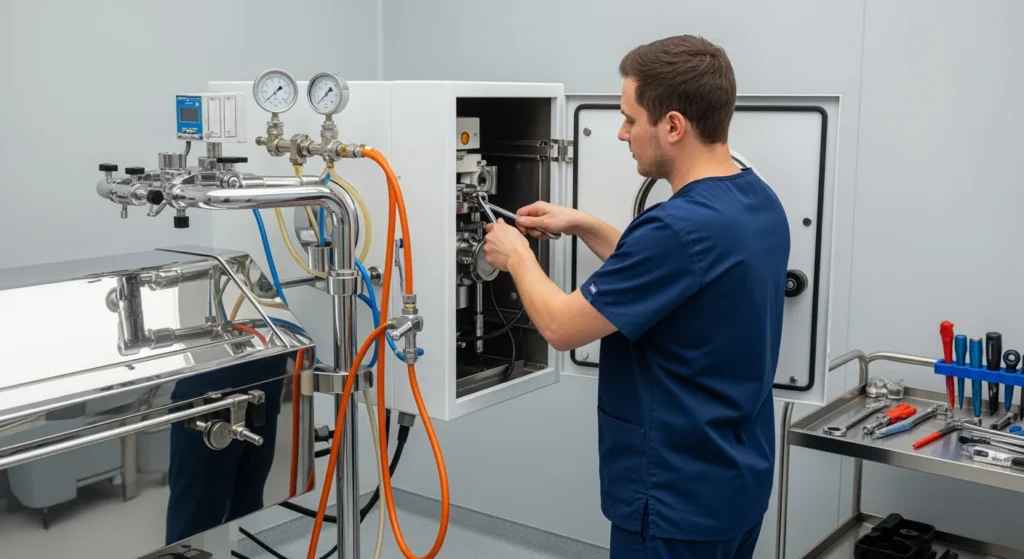
When I talk with funeral directors and mortuary staff about keeping operations running smoothly, I always point them to reliable embalming machine service that includes preventive checks and timely repairs, and I recommend staying current with public health guidance from trusted agencies like the CDC to align practices with safety standards. Proper maintenance isn’t just a line item on a budget — it’s how you protect staff, safeguard dignity for families, and avoid surprise downtime when you can least afford it.
Why regular embalming machine service matters
I’ve seen teams delay maintenance until a problem becomes urgent, and that’s almost always more costly. Embalming machines are precision instruments: pumps, seals, vacuum systems, and control electronics all need calibration and cleaning. A small leak or clogged line can lead to inconsistent perfusion, wasted fluid, and longer procedure times. More importantly, failing components can create safety risks for staff and increase the possibility of cross-contamination if fluids don’t flow as intended.
Think of scheduled embalming machine service like preventative care for a vehicle. Routine inspections catch wear before it becomes failure. Regular servicing also helps you document compliance with local health and safety expectations — something families and regulators increasingly expect in this profession.
Common signs your embalming machine needs professional attention
- Loss of consistent pressure or uneven flow during perfusion.
- Visible leaks around fittings, seals, or pump housings.
- Unusual motor noise, overheating, or electrical tripping.
- Erratic digital display readings or intermittent controls.
What a professional embalming machine service typically includes
When I perform or coordinate an embalming machine service, I follow a checklist that ensures both mechanical integrity and hygienic safety. A comprehensive service visit often covers:
- Full inspection of pumps, tubing, and fittings for wear and leaks
- Cleaning and descaling internal fluid pathways and reservoirs
- Testing and calibration of pressure/flow systems and gauges
- Electrical inspection including switches, motors, and safety interlocks
Beyond the mechanical work, technicians will document findings and recommend parts replacement or upgrades. That documentation is useful for your records and helps justify maintenance budgets during internal reviews.
Routine maintenance you can do between professional visits
There are a few practical steps you can and should take on-site to extend the life of the equipment and reduce the likelihood of sudden failures. These are simple, low-cost actions that make a real difference.
- Wipe down external surfaces and keep fluid areas clean to reduce corrosion and buildup.
- Check tubing and quick-disconnects for brittleness or discoloration and replace as needed.
- Run a controlled flush of the system after heavy use to prevent residue buildup.
- Keep a log of performance notes — pressure swings, odd noises, or minor leaks — to share with your service provider.
Troubleshooting: quick checks before you call for repair
I always coach staff to do a few diagnostic checks before escalating to a technician. These steps help you determine if the issue is a simple fix or requires professional repair, and they can speed up service calls when help does arrive.
Start by confirming power and supply: ensure the machine is on a dedicated circuit, switches are set correctly, and any fuses or breakers are intact. Next, verify that fluid reservoirs have the right concentration and are free of particulate matter. If the pump is running but pressure is low, inspect tubing connections and replace any suspect lines. If you notice significant vibration or unusual motor noise, shut the machine down until a technician can inspect it — continued use can worsen mechanical damage.
How I approach on-site repairs and parts replacement
When I’m called in for a repair, my first priority is minimizing downtime while ensuring a lasting solution. That means diagnosing root causes rather than patching symptoms. I start with a full systems check: electrical feeds, grounding, motor amps, pump operation, and control logic. If the problem is a worn pump seal or a failed check valve, I replace the component with a quality part and test the system under load to confirm consistent performance. For electronic issues I verify wiring integrity and the condition of connectors, which are often the silent culprits behind intermittent failures.
Where possible, I recommend stocking a small kit of high-wear consumables — extra tubing, seals, in-line filters, and a spare fuse — so common failures are easy to remedy without waiting for parts shipments. That small investment reduces emergency calls and keeps your schedule predictable.
Trends shaping embalming equipment and service
Two developments have been shaping the service landscape recently. First, eco-conscious embalming fluids and reduced-formaldehyde formulas are gaining traction. These fluids can be gentler on equipment in some cases, but they may require different maintenance routines due to altered chemical properties; knowledgeable service technicians will adapt cleaning and seal materials accordingly. Second, digital diagnostics are making machines smarter. Newer units feature diagnostic logs and remote monitoring capabilities that let technicians spot deteriorating performance before failure. Both trends push the market toward preventive care and more specialized maintenance protocols.
Choosing the right local service partner
Picking a service provider is about trust and fit. Here’s what I recommend looking for in a local partner:
Experience with the major embalming machine models and a clear parts-sourcing strategy so repairs aren’t delayed. Look for technicians who carry a basic stock of consumables and can perform same-day emergency repairs when possible. Ask about training and certifications, warranty terms on both labor and parts, and their approach to documentation — a good provider will leave a clear service report and recommendations.
Questions to ask before hiring
When you speak with a potential provider, ask:
- Do you offer preventive maintenance contracts with scheduled site visits?
- How quickly can you respond to emergency calls in the city?
- Do you warranty parts and labor, and for how long?
- Can you provide references from other local funeral homes or mortuaries?
Costs, turnaround time, and compliance considerations
Service costs vary depending on parts, labor, and how quickly you need the work done. Routine inspections are relatively inexpensive and often pay for themselves by catching problems early. More extensive repairs involving pump replacements or major electronics can be costlier, so it helps to budget for periodic upgrades as part of capital planning.
Turnaround time depends on part availability. That’s why working with a local technician who stocks common parts is valuable — it reduces wait times. On the compliance side, keep maintenance records handy; they show commitment to safe practices and help during audits. If your facility is in an area with specific health codes, confirm that service practices align with local regulations and the public health guidance you follow.
Emergency response and a simple preventative plan you can implement today
Emergencies happen, so prepare a short plan to reduce stress when a machine fails during a busy period. I suggest documenting an emergency contact list, noting alternate machines or facilities nearby that can offer short-term backup, and training staff on basic shutdown and safe transfer procedures.
Here’s a simple preventative plan you can adopt immediately:
- Schedule a full professional inspection at least twice a year, more often for heavy-use facilities.
- Keep a maintenance log and file service reports for each machine.
- Stock a small kit of consumables for rapid fixes.
- Train two staff members on basic checks and safe shutdown procedures.
How regular service supports staff safety and family confidence
Beyond equipment uptime, reliable embalming machine service protects people. Well-maintained machines reduce the risk of leaks, chemical exposure, and procedural delays that can increase stress for your team. For the families you serve, consistent, professional handling of remains reassures them that their loved one received respectful, competent care. That trust is invaluable and is often reflected in local reputation and referrals.
What to expect during your next service visit
On a scheduled visit, a qualified technician will usually: review your maintenance log; inspect the machine top-to-bottom; replace obvious wear items; run performance checks under operational conditions; clean fluid pathways; and deliver a written report with recommendations. If they find critical issues, they should explain options clearly — repair now, replace a component, or plan for scheduled downtime — and give an estimate for cost and time. A transparent process and thorough report are signs of a high-quality provider.
Keeping your embalming equipment in top condition is an investment in safety, compliance, and operational reliability. With a sensible preventive plan, a trusted service partner, and a little in-house diligence, you’ll extend the life of your equipment and reduce the stress of unexpected repairs.
If you’re ready to schedule a full inspection, repair, or set up a preventive maintenance plan in the city or surrounding neighborhoods, reach out to Cantrell Sales LLC for reliable, documented service and support.