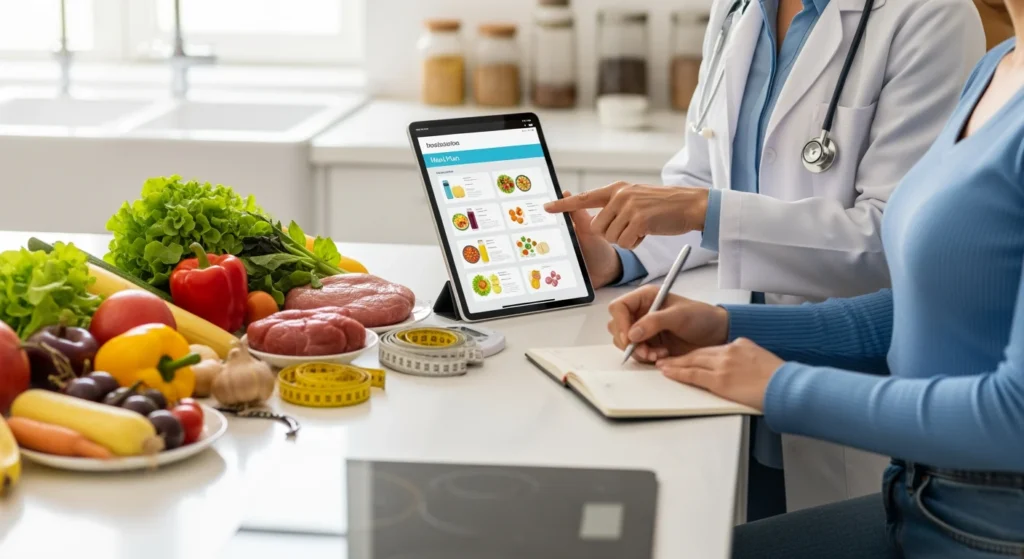
When I first started helping people eat better, I learned fast that one-size-fits-all diets fail more often than they succeed. That’s why I recommend personalized meal plans for lasting results. For context on why tailored nutrition matters, public health leaders at the Centers for Disease Control and Prevention have long flagged diet-related conditions as a major concern, which makes personalized guidance more important than ever: CDC.
Why personalized meal plans beat one-size-fits-all diets
Generic diet rules can be confusing and hard to follow. Everyone I work with has a different day, different tastes, different health background, and different goals. Personalized meal plans match what you actually do and what your body needs. Instead of forcing dramatic changes that don’t last, a tailored plan adapts to your routine so small wins add up.
Personalized plans factor in your preferences, food intolerances, activity level, and any medical needs. That means fewer cravings, better energy, and a higher chance you’ll stick with the plan through busy weeks, travel, and family dinners. In my experience, a good personalized plan turns food into a problem-solving tool rather than a source of stress.
Who benefits most from personalized meal plans
I meet people from all walks of life who gain real benefits: parents juggling work and kids, shift workers with irregular sleep, athletes aiming to improve performance, and people managing chronic conditions like high blood pressure or prediabetes. Even if you think you’re “not picky,” the structure of a personalized plan makes grocery shopping easier and meal prep faster.
In the neighborhood, you’ll find folks who want to lose weight, gain muscle, improve gut health, or just feel better day to day. A plan that fits the local grocery stores and the cooking culture of the area is far more likely to be used than one that assumes unfamiliar ingredients or equipment.
Trending topics shaping personalized nutrition right now
Two key trends are reshaping how people approach personalized meal plans. First, plant-forward eating is rising as more people choose to lower meat intake without going fully vegetarian. This trend blends health, flavor, and sustainability, and it’s easy to build into a tailored plan.
Second, technology is enabling smarter personalization. From apps that track meals to tools that suggest swaps based on your pantry, technology makes it easier for the plan to adapt in real time. I use these tools to keep plans practical for weeknight cooking and weekend plans.
How a personalized meal plan is created — step by step
When I design a plan for someone, I follow a straightforward process that you can use as a checklist when comparing options. The goal is always to make the plan realistic for your life so it becomes part of your routine, not a burden.
- Assess: We review your daily schedule, food likes and dislikes, medical needs, and goals so recommendations are realistic and safe.
- Design: I build a sample week that fits your time, budget, and taste preferences while meeting calorie and nutrient needs.
- Test and tweak: We try the plan for two weeks, track what worked or didn’t, and adjust recipes and portion sizes as needed.
- Support: I provide follow-up checks to troubleshoot cravings, plateaus, or life changes like travel or holidays.
This approach keeps the plan flexible and local-friendly. For example, I’ll swap specialty items for ingredients you can find at nearby stores or suggest quick meals for late-night shifts.
Actionable strategies you can use this week
Personalized plans work best when they include small, repeatable actions. Try these simple, evidence-backed strategies that fit most lifestyles and neighborhoods.
- Plan two protein-focused dinners and double them so you have leftovers for lunch the next day. This saves time and keeps meals balanced.
- Build a “go-to” grocery list with five easy staples you like — lean protein, a whole grain, two vegetables, and a healthy fat — so shopping is faster and smarter.
- Use portion plates or clear containers to eyeball servings until you learn the right portions for your goals. Visual cues reduce guesswork and food waste.
- Schedule one weekly check-in with yourself to note wins and small adjustments. Tracking progress motivates steady change without overwhelm.
Common roadblocks and how to fix them
People often quit plans because they feel too strict or because life gets in the way. I see the same barriers again and again: lack of time, confusing nutrition advice, limited budget, and social pressure. The fixes are almost always practical and local.
For time: choose recipes that use the same base ingredient across meals. For example, roasted chicken works in a salad, a grain bowl, and a soup. For budget: pick seasonal produce and swap pricier items for local alternatives. For social events: plan a flexible meal earlier in the day and enjoy the event without guilt. These small shifts keep you on track without feeling deprived.
Simple swaps to make daily meals healthier
Small swaps can change your eating pattern without major disruption. Here are easy examples that are practical in most markets and don’t demand specialty shopping.
- Swap refined grains for whole grains one meal per day — try brown rice, whole-grain bread, or quinoa.
- Replace one sugary drink with sparkling water flavored with fresh citrus or a splash of juice.
- Choose roasted or steamed vegetables over fried options at least three times a week.
- Include a palm-sized serving of protein at each meal to help control appetite and support muscle mass.
Local tips for making plans stick in your area
Whether you live in a dense urban neighborhood or a suburban pocket, personalizing a plan means matching it to what’s accessible nearby. Look for farmer’s markets for seasonal produce, community co-ops for bulk whole grains, and local butchers for value cuts you can stretch across meals. If commute times are long, choose recipes that can be prepped in under 30 minutes or use slow cooker options that ready themselves while you work.
Community fitness classes and local walking routes can also boost results when paired with better nutrition. The social element of meeting neighbors or joining a weekend class makes healthy habits feel less like a chore and more like a lifestyle.
How to measure progress without getting stuck on the scale
Progress looks different for everyone. Instead of only weighing yourself, I recommend tracking multiple markers: energy levels, sleep quality, mood, how clothes fit, and performance in daily activities. Take photos once a month and note small wins like pushing through a workout or sleeping better. Those changes often stick longer than temporary weight swings.
Regular check-ins with a coach or a buddy can help you adapt the plan when your schedule or goals change. When something isn’t working, it’s usually a tweak away from being useful again.
Frequently asked questions I hear from local clients
People often ask if they need to buy expensive foods or supplements to follow a personalized plan. The answer is usually no. Good plans prioritize whole foods you can find at regular stores and focus on consistency. Supplements are used only when there’s a clear need. Another common question is whether plans account for cultural food traditions. They absolutely can, and they should — keeping familiar meals in the rotation improves adherence and enjoyment.
Is a personalized plan right for someone on a tight budget?
Yes. Budget-friendly plans emphasize staples like legumes, eggs, in-season produce, and whole grains. Planning meals around sales and learning a few low-cost, high-nutrient recipes can stretch a modest food budget while improving health.
Can I still enjoy restaurants and social meals?
Absolutely. The best plans are flexible and include strategies for dining out — choose grilled proteins, request sauce on the side, and fill half the plate with vegetables. I teach strategies to enjoy social life while staying aligned with goals, not perfectly but reasonably.
How I work with clients to keep momentum
My approach is hands-on and practical. I start with realistic short-term goals, then build a plan that reflects the client’s schedule and local food scene. Follow-ups focus on troubleshooting and small habit changes rather than drastic menu overhauls. This keeps momentum steady and helps the plan survive real life, from busy workdays to family events.
For many people, the turning point is when they stop thinking about food as a set of rules and start thinking of meals as a way to support their day. That mindset shift makes the difference between temporary dieting and sustainable change.
Final thoughts and next steps
If you’re ready to try a plan that fits your life instead of forcing your life to fit the plan, start small and local. Pick one habit to change this week, grocery-shop with a simple list, and build one reliable meal you can repeat. Over time, those choices compound into results that stick.
If you’d like tailored support that connects smart nutrition with real-world schedules and local shopping, consider working with a team that builds easy-to-follow plans and checks in regularly to keep you moving forward. For a direct way to get started, visit Project Lean Nation to learn about options available in your city and neighborhood.