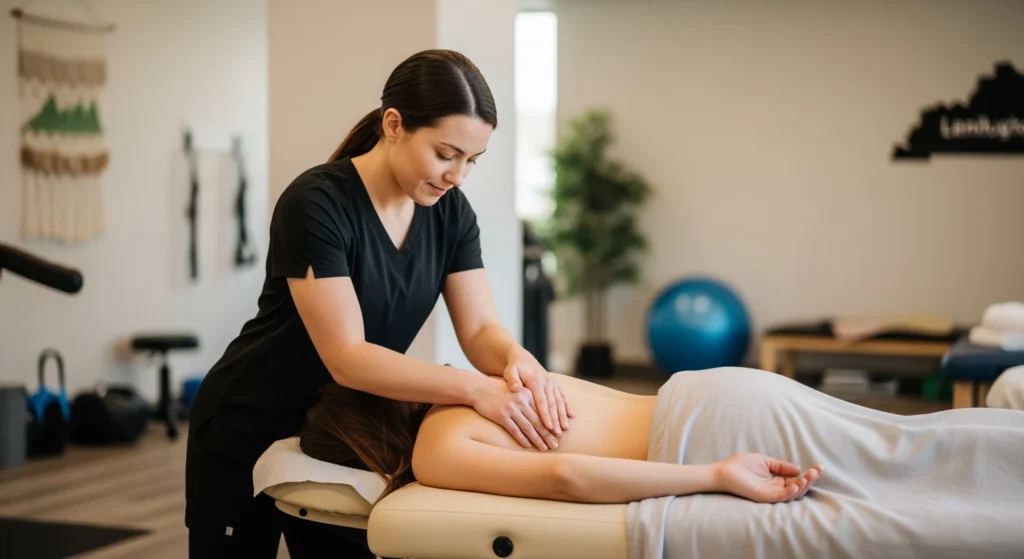
I love how a single session can reset a week. If you’re searching for massage therapy Lexington KY, this guide will walk you through what works in the city, how to pick the right approach, and simple steps that deliver results. For local context, Lexington and Fayette County serve a population of roughly three hundred twenty thousand people, which shapes the variety of care options available and the community programs that support wellbeing; the U.S. Census provides helpful local data and trends for anyone curious about how the local population shapes health services.
Why people in the area choose massage therapy
Living in Lexington means juggling work, family, and the small daily stresses that add up. Massage is more than a luxury here — it’s a practical tool for coping with chronic tension, recovering from sports and weekend adventures, and managing stress that affects sleep, mood, and productivity. I’ve found that when people come in consistently, they report fewer headaches, better range of motion, and calmer nervous systems. For many, it’s part of a preventive routine: regular sessions keep small issues from becoming big ones.
Common benefits I see in clients
Massage can reduce muscle soreness after a tough workout, ease neck and shoulder pain from desk work, and help folks sleep better. For those dealing with repetitive-strain tasks—think long hours at a screen or manual labor—targeted sessions often lead to faster recovery and fewer flare-ups. Beyond the physical, the mental health uplift is real: steady massage care lowers stress hormones and improves overall mood, which is why it’s become a regular self-care tool in our local wellness scene.
Types of massage commonly offered around town
Lexington’s studios and clinics offer a range of modalities. Knowing the difference helps you choose the best match for your goals.
Swedish massage
This is light-to-moderate pressure meant for relaxation and general circulation. It’s a great starting point if you want an overall reset without focused therapeutic work.
Deep tissue and therapeutic massage
When you have chronic tight areas or injury-related restrictions, deeper work aims to break adhesions and improve mobility. Expect slower strokes and focused pressure on problem areas.
Sports and trigger-point therapy
Designed for athletes or active people, these sessions target performance and recovery. Therapists often pair manual techniques with stretching and movement cues to support training goals.
Prenatal and postnatal massage
Pregnancy brings unique aches and safety considerations, so therapists trained in prenatal bodywork adapt positions and techniques to protect both mother and baby.
Manual lymphatic drainage and recovery-focused modalities
For post-surgical recovery, swelling, or immune-system support, gentle lymphatic work can be an important part of healing when performed by a trained therapist.
Trending topics shaping massage in 2026
The therapy world keeps evolving. Two trends I’m seeing in the city and nationwide are changing how people book and experience sessions.
Integration of topical botanicals and targeted recovery tools
Topical CBD balms, arnica-based creams, and cooling gels are increasingly used alongside manual therapy. Therapists are combining these with modern tools like percussive devices to speed recovery. Clients appreciate options that reduce inflammation and provide immediate comfort, but it’s important to discuss any topical use up front to avoid skin reactions or contraindications.
Wellness packages and workplace partnerships
Employers in the area are investing in on-site therapy days, chair massage breaks, and subsidized wellness packages as part of employee retention efforts. These programs make massage more accessible and normalize regular care for people who might not otherwise schedule a full session during a busy week.
How to choose the right therapist in the city
Choosing a therapist is part research and part personal fit. Here’s a practical approach I use and recommend to clients who want consistent results.
- Check credentials: Confirm licensing or certification and ask about relevant continuing education for the techniques you want.
- Look for specialty experience: If you need prenatal care, sports recovery, or lymphatic drainage, prioritize therapists who list those specialties.
- Read recent reviews and testimonials: Look for mentions of consistent results, professionalism, and comfort during sessions.
- Trust the initial conversation: A good therapist listens to your goals and explains a plan instead of promising a miracle.
What to expect at your first visit
Your first session is as much about information gathering as treatment. Expect to fill out a health intake that covers recent injuries, medications, and any surgeries. The therapist will ask about your top concerns and goals, then recommend a session length and technique. Most first visits include assessment of posture and motion, a targeted treatment, and aftercare advice tailored to your daily life.
Basic timeline of a typical first appointment
Appointments usually run 60 to 90 minutes, with about 10–15 minutes for intake and questions, 40–60 minutes of hands-on work, and a short wrap-up. If you’re nervous, tell your therapist—communication about pressure and areas to avoid is standard and welcomed.
How to prepare for a session
Preparing well amplifies the benefits. I recommend these simple, practical steps so you get the most from your time on the table.
- Hydrate beforehand: Drink water before and after the session to help flush metabolic byproducts.
- Wear comfortable clothes: For some modalities you’ll undress to your comfort level; otherwise, loose clothing works for assessment and movement.
- Bring a short list of concerns: Note the top three areas to address so the therapist can prioritize treatment.
- Arrive a few minutes early: That gives you time to fill paperwork and relax into the experience without rushing.
Self-care between sessions: simple habits that help
Massage is most powerful when paired with consistent home care. Small daily habits prevent re-tightening and extend the benefits of clinic work.
- Stretch briefly after sessions: Gentle mobility work keeps tissue supple and reinforces the therapist’s work.
- Apply heat or cold appropriately: Heat eases stiff muscles, cold reduces inflammation after intense work; use whichever your therapist recommends.
- Mind your posture: Small adjustments at your desk or in your car can prevent recurring tension patterns.
- Schedule follow-ups: Consistency matters. Book your next session before you forget so progress compounds over time.
Cost, insurance, and value
Costs vary depending on the clinic, therapist credentials, and session length. Many people find that regular mid-range sessions are more cost-effective than infrequent deep interventions. Some plans and flexible spending accounts cover massage for documented medical reasons; if cost is a concern, ask about packages or sliding-scale options that make regular care more accessible.
Remember that value isn’t just price per session; it’s the accumulated relief, increased function, and fewer medical visits over time that often make massage a smart investment in health.
When to seek medical clearance
Massage is safe for most people, but certain conditions warrant a quick call to your physician before booking. If you have an active infection, uncontrolled high blood pressure, blood-clotting disorders, recent fractures, or are recovering from major surgery, check with your healthcare provider first. Therapists will also ask about medications and medical history to ensure techniques are safe and effective for you.
Neighborhoods and accessibility in Lexington
Lexington offers a mix of downtown clinics and neighborhood studios near popular areas like Chevy Chase, Hamburg, and Nicholasville Road. Whether you prefer the convenience of a downtown appointment after work or a quieter studio closer to home, you’ll find options tuned to commuter schedules, evening hours, and weekend availability. Many places also offer private parking or easy transit access, which matters when you’re seeking consistent care without extra hassle.
Real results: how I measure progress with clients
I track outcomes in simple, practical ways that matter day to day: is sleep improving, do headaches occur less often, is range of motion increasing, and can you return to activities that used to cause pain? Progress often looks like fewer flare-ups, faster recovery from exertion, and the ability to do daily tasks with less effort. Those are the wins that keep people booking regularly.
Quick troubleshooting: when a session didn’t feel right
If a session left you more uncomfortable than refreshed, don’t ignore it. Communicate with your therapist about pressure and technique. A follow-up call can resolve most issues quickly—sometimes adjustments in aftercare or a different modality are all that’s needed. If you felt unsafe or if standards weren’t met, consider reporting the experience to local licensing boards so other clients are protected.
Final thoughts and how to take the next step
If you’re ready to prioritize recovery and long-term resilience, start with a clear goal and a simple plan: choose a therapist who listens, schedule an initial session, and commit to a short series of visits to assess progress. Massage in Lexington isn’t one-size-fits-all; it’s a personal path to feeling steadier, moving better, and managing life with more ease. When you want a partner in that process who offers tailored care and consistent attention to detail, consider reaching out.
If you’d like to book or learn more, connect with Relax You Deserve It for appointment availability and services tailored to Lexington clients.