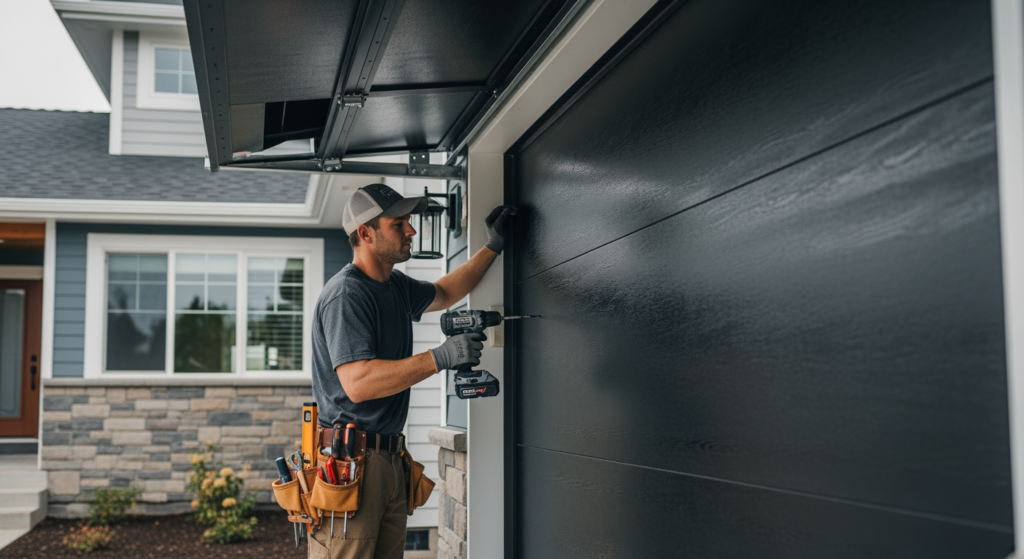
I know how overwhelming it can be when you’re staring at a sagging door, noisy opener, or a design that just doesn’t fit the house anymore. If you’re researching Residential Garage Doors, you’re already on the right track; small upgrades can make a big difference in safety, energy bills, and curb appeal. For reliable information about energy efficiency and insulating choices that affect heating and cooling, the U.S. Department of Energy is a helpful resource https://www.energy.gov/.
Why the right garage door matters more than you think
The garage door is one of the largest moving parts of a house and often the first thing visitors notice. Beyond looks, a durable door protects vehicles and stored items, improves insulation, and contributes to the overall security of your home. Choosing the wrong material or skipping proper installation can lead to loud operation, water or air leaks, and safety hazards. I often tell homeowners to think of a garage door as both an appliance and a design element: it needs to work reliably and look like it belongs.
Top trends shaping residential garage doors right now
The garage door industry has been quietly innovating, and a few trends are now mainstream. First, smart openers and integrated home systems are no longer niche — they give you remote access, real-time alerts, and automations tied to other smart devices. Second, battery backup units are becoming standard on new openers so your door keeps working during power outages. Third, energy efficiency is trending: insulated doors with higher R-values make a measurable difference in utility costs for attached garages. Finally, homeowners are choosing low-maintenance materials and contemporary designs that blend with modern facades.
Smart access and safety features
Smart-garage technology gives you control from your phone, allows temporary guest access, and can send security alerts if the door opens unexpectedly. Modern systems also let you check door status at any time and integrate with home automation platforms. Safety-wise, look for openers with auto-reverse sensors and rolling code technology that prevents remote signal theft.
How to pick the right garage door for your home
Choosing the right door comes down to matching material, insulation, style, and opener to your needs and climate. I recommend starting with three questions: Do you want a low-maintenance door or a classic wood look? Is the garage attached to living space? How often will the door be used? Your answers guide the material and R-value you should prioritize.
Material options and what they mean
Steel doors are the most common because they’re durable and affordable; newer models resist dents and come in many finishes. Wood doors offer unrivaled charm and can be customized, but they need regular staining or painting. Aluminum is lightweight and resists corrosion, which is great in coastal neighborhoods, but it can dent more easily. Fiberglass works well in humid climates and resists cracking, though it may fade over time.
Insulation and energy efficiency
If your garage connects to living space, insulated doors are worth the investment. Insulation reduces heat transfer, which helps keep garages cooler in summer and warmer in winter, and it trims the load on your HVAC system when the garage shares walls with conditioned rooms. Look for doors with a solid core and quality seals around the perimeter and bottom.
Style and curb appeal: making the door fit the neighborhood
Design choices should respect your home’s architecture and the surrounding area. Carriage-house styles fit craftsman and cottage homes, while flush-panel and contemporary glass options complement modern builds. If you live in a neighborhood with an HOA, check design rules before committing to a bold color or specialty windows. And remember: hardware accents like strap hinges and custom handles can dramatically change the look without a full replacement.
Garage door openers: what to look for
Openers matter almost as much as the door itself. Chain-drive openers are robust and budget-friendly but can be noisy, which is important to consider if bedrooms are above the garage. Belt-drive models are much quieter and preferred for attached garages. Screw-drive openers offer balanced performance and lower maintenance. Look for features such as soft start/stop, LED lighting, and, increasingly, built-in battery backup for power-out reliability.
Integration with smart home systems
When shopping for an opener, make sure it supports the integrations you want. Many current models offer native smartphone apps and integrations with voice assistants and security systems. If remote access and notifications are important to you, prioritize models with strong software support and frequent security updates.
Maintenance checklist to keep your door running smoothly
- Visual inspection: check panels, weather seals, and hardware for wear, rust, or gaps.
- Lubrication: apply garage-door lubricant to rollers, hinges, and springs once a year (avoid WD-40 on springs).
- Test safety features: monthly, test the auto-reverse by placing an object in the door’s path and ensuring it reverses, and clean photo-eye sensors.
- Balance check: disconnect the opener and manually raise the door halfway; it should stay in place if balanced properly.
These steps are simple but effective. If you encounter frayed cables, broken springs, or a door that’s out of balance, call a technician—those repairs involve tensioned components that can be dangerous when handled without the right tools and experience.
Common problems and practical fixes
Even well-made doors show problems as they age. Here are common issues and what to do before calling for service.
- Noisy operation: tighten loose hardware and lubricate moving parts; if noise persists, the opener or rollers may need replacement.
- Door won’t close or reverses: check that the safety sensors are aligned and free of debris; clean the lenses and adjust the sensors if needed.
- Remote won’t operate: replace batteries and reprogram the remote; if several remotes fail, the opener’s receiver may need inspection.
- Door opens unevenly or drags: this usually indicates a spring or cable issue; stop using the door and schedule a professional repair to avoid further damage.
When to repair and when to replace
Deciding between repair and replacement depends on age, frequency of problems, safety, and budget. A door older than 15–20 years with recurring malfunctions is often better replaced, especially if corrosion or structural damage exists. If the problem is isolated—a broken spring, a malfunctioning opener, or a dented panel—a repair can extend the life of the door for several more years. Consider replacement if you plan to stay in the home long-term and want improved insulation, quieter operation, and modern features.
Cost considerations without surprises
While I won’t give exact quotes here, expect wide variation in cost based on material, insulation level, window options, hardware, and labor. Investing in a quality installation is essential—an incorrectly hung door causes premature wear and can void manufacturer warranties. Ask for itemized estimates and warranties on both parts and labor before proceeding.
How modern garage doors improve security
Security features have improved alongside convenience. Rolling-code remotes prevent interception of signals, and deadbolt-style locks add a mechanical safeguard. Solid construction with reinforced panels and reliable anchor points helps resist forced entry. If security is a top concern, specify heavy-duty hardware and consider a reinforced opener with a manual disconnect feature that remains locked from the outside.
Seasonal care to extend door life
Each season has its own maintenance priorities. In winter, check seals and weatherstripping for cracks, and make sure your opener’s battery backup is charged if outages are common. In spring, clean tracks and check for debris, and in fall, tighten hardware and test the balance before the cold sets in. These periodic checks prevent small issues from becoming major malfunctions.
Actionable buying checklist
- Measure opening (width, height, headroom) and confirm structural requirements for tracks and springs.
- Decide on material and insulation based on climate and whether the garage is attached to the house.
- Choose an opener that matches your noise tolerance and integration needs; consider battery backup for outages.
- Get at least three written estimates and compare warranty coverage on parts and labor.
Having this checklist handy keeps the process straightforward and prevents rushed decisions under pressure.
How local technicians solve the most common homeowner problems
Local professionals bring practical advantages: knowledge of typical construction in the area, quick response times for repairs, and familiarity with neighborhood design norms. Most techs start with a free inspection, document safety issues, and present repair or replacement options with clear pricing. They also remove old materials and leave the site clean. If you want to protect your investment, look for contractors who offer service agreements or preventive maintenance plans that include seasonal checks and priority scheduling.
Trends to watch over the next few years
Two trends I expect to grow are seamless integrations with home security platforms and more efficient, eco-focused door materials. As smart-home adoption increases, expect tighter links between cameras, alarms, and door status notifications. On the materials side, composites that mimic wood but resist moisture and UV will continue to gain popularity, making high-end looks easier to maintain in coastal or humid neighborhoods.
Final tips before you sign an estimate
Before you commit, verify that the installer is licensed and insured, check recent reviews from local homeowners, and confirm the scope of work in writing. Ask about lead times for parts, especially for specialized panels or custom colors, and request a demonstration of the opener and safety features once installation is complete. A good installer will walk you through routine maintenance items and leave you with clear contact information for follow-up service.
If you’re ready to get a local inspection, schedule a consult, or compare door and opener options, reach out to AA Garage Door for a clear estimate and professional installation. They can help you select the best solution for your home and neighborhood and offer ongoing support so your new door serves the house for years to come.