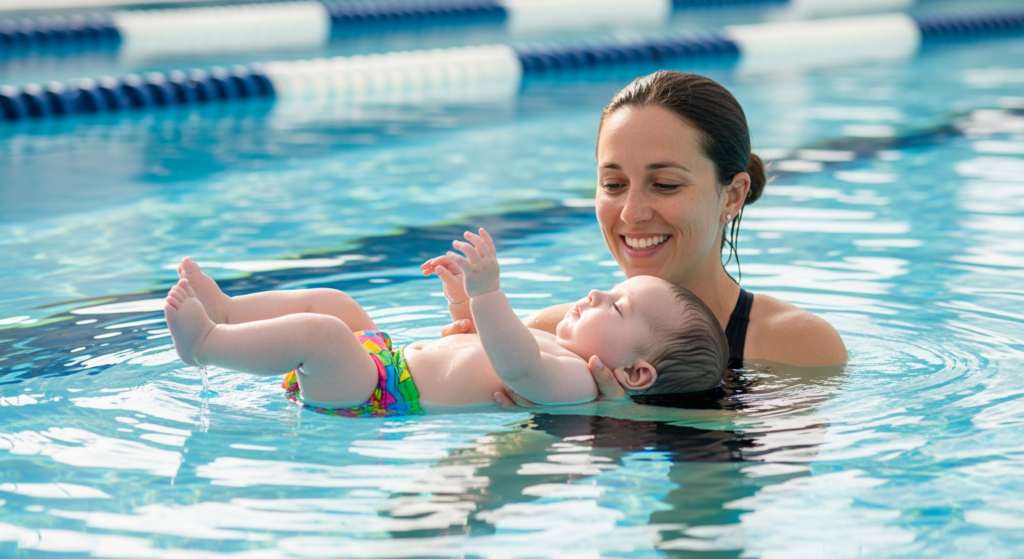
As a parent, I know how nerve-wracking that first splash can feel, which is why I recommend looking into infant swim lessons early on. For clear, evidence-based guidance about water safety and preventing drownings, the Centers for Disease Control and Prevention is a great place to start for general recommendations and statistics about child water safety: CDC. In this guide I’ll walk you through the benefits, safety considerations, what to expect in class, and practical tips so you can feel confident signing up and getting your little one comfortable in the water.
Why infant swim lessons matter
Learning to be comfortable and safe in the water is one of the best gifts you can give your child. Infant swim lessons are designed to introduce babies to water in a way that builds familiarity, motor coordination, and the basics of safe behavior around pools and other bodies of water. Beyond skill-building, lessons give parents tools and confidence to supervise, respond quickly, and reduce drowning risk in and around the home.
Drowning can happen quickly and silently. That reality makes early, age-appropriate lessons an important part of a layered safety plan that also includes attentive supervision, barriers around pools, and learning CPR. Lessons are not a replacement for supervision, but they are an added layer of protection that many parents find empowering.
When to start and what ages are appropriate
Infant swim programs usually begin with babies as young as 4 to 6 months and continue through the toddler years. Early sessions focus on water familiarization and comfort while later courses introduce more skill-based activities like independent floating and simple self-rescue. Pediatricians typically advise that infants can enjoy water activities once they are healthy and have recovered from any serious illness; if you have questions, check with your child’s healthcare provider first.
Every child develops at their own pace. Some infants quickly warm up to the water while others need more time. Lessons are structured to be supportive rather than forceful, letting each baby progress when they’re ready. The instructor’s role is to read a child’s cues and create gentle, positive experiences that build confidence.
Medical considerations and safety protocols
Health and safety are the foundation of any credible infant swim program. Pools used for infant lessons should maintain steady temperatures (typically warmer than adult pools), clear water, and proper sanitation. Children with recent illnesses, open sores, or fever should skip lessons until fully recovered. If your baby was born prematurely or has medical concerns, your pediatrician can advise when swim exposure is appropriate.
In the last few years, programs have also adopted updated cleaning protocols and smaller class sizes to keep infants healthy. Ask your program about their water testing schedule, lifeguard presence, instructor certifications, and their emergency response plan. A transparent facility that welcomes questions and shows records of safety practices is a strong sign of quality.
What happens during a typical infant swim lesson
Classes are usually 20 to 30 minutes long, structured for short attention spans and to avoid overexposure to water. Sessions typically include a predictable rhythm: arrival and warm-up, parent-and-child play or assisted activities, short skills practice, and a calm cool-down. Repetition and routine help babies anticipate the activities and feel secure.
In my experience observing infant classes, instructors emphasize playful interactions, songs, and games that encourage kicking, reaching, and gentle submersion (when appropriate for the program). Parent participation is common: caregivers often enter the water to hold and support the infant while learning techniques to support floating, back glides, and turning toward a caregiver or pool edge.
Skills taught in infant classes
Infant swim lessons emphasize water comfort and foundational skills. Common goals include:
- Face-in-water familiarity and controlled breath-holding through playful activities.
- Assisted floating on the back to promote buoyancy awareness.
- Reaching, turning, and flashing toward caregivers or the pool edge.
- Safe entry and exit practice with caregiver support.
The pace is gentle and positive. Instructors rarely push infants beyond what they can handle; instead, they break skills into tiny, repeatable steps so babies build muscle memory and confidence over time.
Choosing the right program near you
Picking a swim school requires more than checking schedules. Look for instructors with specific training in infant aquatic instruction and pediatric emergency response. Certifications such as infant CPR and lifeguard training for staff are essential. A well-run program will be transparent about class size, instructor-to-child ratio, water temperature, and policies for illness or behavior concerns.
When evaluating options, consider location convenience and how comfortable you feel in the facility. A calm, welcoming environment that supports parent involvement often leads to better outcomes and a more enjoyable experience for your baby.
- Confirm instructor certifications and ask about their experience with infants.
- Check class sizes—smaller groups mean more individual attention.
- Visit during a lesson if possible to observe instructor style and safety procedures.
- Ask about the program’s progression and how they measure skill development.
How to prepare your baby for the first lesson
Preparation reduces stress for both of you. Start with a few low-pressure water play sessions at home if you have a tub, or visit a warm indoor pool for short periods so your baby becomes used to the water temperature and sensation. Keep the first real lesson short and simple; your baby will pick up cues from your tone and energy, so staying calm and cheerful helps immensely.
Bring essentials: a snug-fitting swim diaper, a towel or robe, a change of clothes, a favorite toy for comfort, and an extra set of diapers. Feed your baby at least 30–45 minutes before the lesson to avoid discomfort, but don’t let them go in immediately after a full meal. Communicate openly with the instructor about any recent illnesses, medications, or developmental concerns.
- Practice gentle splashing and face-wetting at home to build familiarity.
- Choose clothing that’s easy to change and a swim diaper that fits well.
- Bring a familiar toy or song to help soothe your baby during transition times.
Common parent concerns and straightforward answers
I often hear the same questions from cautious caregivers. Here are clear, practical answers to the most common worries.
Will lessons prevent drowning?
Lessons reduce risk by improving water comfort and basic skills, but they do not eliminate the need for supervision. Drowning prevention relies on multiple layers: lessons, active adult supervision, pool barriers, and emergency preparedness like CPR training for caregivers.
Is it okay for infants to swallow pool water?
Occasional swallowing is common and usually not harmful if the pool is properly maintained. Choose facilities with strict sanitation protocols and speak up if the water looks cloudy or smells strongly of chlorine. If your baby shows any signs of illness after a lesson, consult your pediatrician.
Should I worry about ear infections?
The relationship between swimming and ear infections is often overstated. Keeping ears dry isn’t always necessary, but if your child is prone to infections, ask your pediatrician for specific advice. Gently drying ears and following any medical recommendations can help reduce risk.
What if my baby cries during the class?
Crying is normal. Babies can be unpredictable, and an upset infant doesn’t mean lessons are a failure. A compassionate instructor will offer strategies to soothe and will not force participation. Persistence and consistency usually lead to improvement over a few sessions.
Actionable steps to get started this month
If you’re ready to begin, here’s a simple plan that will get you into lessons with minimal stress. These steps are practical and can be completed within a few days to a few weeks, depending on class availability.
- Call or visit two local facilities to check infant class schedules, instructor credentials, and pool temperature policies.
- Observe a class or watch an online demo to assess teaching style and safety practices.
- Choose a short introductory session to test the fit, and bring a trusted adult to help if needed.
- Practice gentle water play at home to acclimate your baby between sessions.
Trends shaping infant swim instruction
Infant swim programs are evolving. I’ve noticed two trends gaining traction that are worth knowing about when you sign up.
First, technology is augmenting instruction. Wearable sensors and poolside apps can track lesson frequency and child progress, helping instructors personalize plans. While data can’t replace hands-on expertise, it helps parents see small gains over time and keeps class goals measurable.
Second, programs emphasize trauma-informed and sensory-aware approaches. That means instructors tailor activities for infants who might be more sensitive to loud noises, bright lights, or quick transitions. Programs that offer a quieter, gradual introduction often see better retention and fewer tears on the pool deck.
How the program solves common problems
Good infant swim programs solve the main parental pain points: safety concerns, inconsistent progress, and scheduling challenges. They do this by setting clear safety protocols, offering small-group or private lessons for more customized attention, and providing flexible schedules or make-up policies for busy families. If a program records progress and communicates it clearly, parents feel reassured and can support learning at home.
Instructors who teach caregiver techniques—how to hold a baby for floating, how to cue breath control, and how to guide transitions—turn lessons into tools parents can use anytime, not just during class time. That transfer of skills is what makes lessons valuable beyond the pool.
Frequently asked safety checklist for caregivers
Before every lesson, run this quick mental checklist to keep the focus on safety and comfort:
- Is the water temperature comfortable for an infant (usually warm)?
- Does the instructor have visible certifications like infant CPR and aquatic training?
- Are lifeguards on duty and is the facility clean and well-maintained?
- Have I fed my baby with enough time to feel settled before entering the water?
Wrapping up and next steps
Infant swim lessons are a gentle, practical way to help your child build comfort, coordination, and basic safety skills in the water. They work best as part of a layered approach that includes close supervision, pool safety measures, and caregiver preparedness. Start with a short intro session, choose an instructor who prioritizes safety and warmth, and give your baby time to adapt. With patience and the right support, many infants move from nervous to joyful in the pool.
When you’re ready to take the next step, I recommend checking availability and class details directly with SwimPrep, LLC by visiting their homepage: SwimPrep, LLC. Their infant programs and safety-first approach make it easier for parents to feel confident while their little ones learn to love the water.