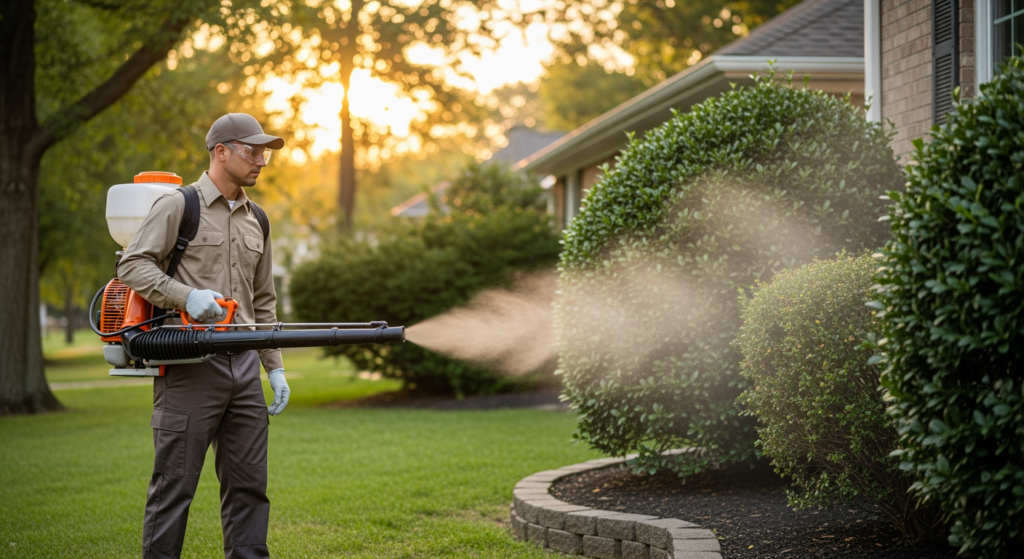
When warm months arrive, I want my porch and yard to be places for cookouts and evening walks — not mosquito battlegrounds. If you’ve been searching for Mosquito Treatment Lawrenceville GA, you already know this area’s humid summers make mosquito control a top priority. For reliable health guidance and seasonal alerts about mosquito-borne illnesses, I follow the Centers for Disease Control and Prevention’s updates at CDC.
Why Lawrenceville needs reliable mosquito control
Living in Gwinnett County means we get long, warm seasons that mosquitoes love. Standing water in ditches, storm drains, ornamental ponds and even clogged gutters gives them easy places to breed. Beyond the nuisance of itchy bites, mosquitoes can carry viruses that affect families and pets. For many neighbors in downtown Lawrenceville, Collins Hill, Sugarloaf, and surrounding communities, proactive treatment is the difference between enjoying evenings outdoors and staying indoors to avoid swarms.
I’ve walked yards in this area and talked with neighbors who tried store-bought sprays and citronella candles without success. Professional mosquito treatment takes those small fixes and turns them into a plan tailored to the yard, local mosquito species, and seasonal pressure. It’s about preventing breeding, interrupting biting activity, and protecting the space where you live and gather.
Mosquito behavior in this area
Understanding how mosquitoes behave locally makes it easier to plan effective control. In Lawrenceville and nearby neighborhoods like Five Forks and Dacula, the most common activity spikes in late spring and stays high through early fall. Mosquitoes are most active at dawn and dusk, but some species will bite during the day in shaded, humid areas. They’re attracted to standing water, dense vegetation, and any dark, humid hiding spots near your home.
Because mosquitoes breed in tiny amounts of water, even a child’s forgotten pool float, a saucer under a pot, or a blocked downspout can become a nursery. That’s why treatments that focus on both adult mosquitoes and their larvae are usually more effective than targeting only one life stage.
Signs you need professional mosquito treatment
It’s not always obvious when amateur methods are failing. Here are signs I look for in yards that need professional attention:
- Persistent bites despite using repellents and citronella — especially during evening gatherings.
- Visible mosquito activity around patios, decks, or screened porches at dawn and dusk that prevents comfortable outdoor time.
- Standing water that returns after rain, like puddles, blocked gutters, or poorly draining low spots where eggs could be laid.
- Complaints from neighbors or frequent sightings of swarms near woods, ponds, or old tires close to the property.
If several of these apply, a planned mosquito treatment can reduce biting pressure and cut breeding sites, giving you back usable outdoor space.
Proven mosquito control methods I trust
Effective mosquito control combines several tactics. Over the years I’ve seen the best results come from systems that reduce breeding and protect yards for weeks at a time. Here are the main approaches professionals use and why they work.
Barrier sprays and targeted larvicides
Barrier sprays treat vegetation, siding, porch overhangs, and other mosquito resting spots to knock down adult mosquitoes that land there. Applied correctly, a barrier treatment creates a protective zone around the yard that reduces adult mosquito activity for several weeks. To stop new generations, larvicides are applied to known breeding areas or potential water-holding spots. These larvicides are often slow-release and designed to interrupt the mosquito lifecycle without harming most plants or pets when used as directed.
What I appreciate about this combination is the two-fold approach: larvicides reduce the next wave of adults, while barrier sprays give immediate relief during high-use hours. When contractors map a yard and identify problem areas — under decks, rain collection zones, and standing water — treatments become targeted and efficient instead of sprayed randomly.
New tech and eco-friendly options
There are smart, trend-driven solutions that fit today’s priorities: reduced chemical use and better targeting. Some options gaining traction are natural oil-based repellents for barrier treatments, mosquito traps that reduce local populations, and biological controls such as Bti (a bacteria that targets mosquito larvae) in ponds or water features. Whole-yard misting systems still have a place but require careful maintenance and timing to be effective without overuse.
Recent trends include integrating monitoring with treatment — using sensors or routine inspections to apply products only when mosquito pressure is high. I recommend asking any service about eco-friendly choices and whether they tailor products to avoid harming pollinators and pets.
Seasonal mosquito calendar and preparation
In Lawrenceville, timing is everything. Knowing the seasonal rhythm helps you schedule treatments for maximum effect. Here’s a practical timeline I follow when planning services for neighbors and my own yard:
Early spring: Inspect yards for winter damage, clear gutters and debris, and remove potential breeding containers. This is when pre-season inspections matter most because stopping eggs and larvae early reduces summer pressure.
Late spring to midsummer: This is prime mosquito season. Expect regular barrier treatments every 3–4 weeks and larvicide checks after heavy rain. For families who host frequent outdoor gatherings, this is the time to increase protection.
Late summer to early fall: As populations peak, consider focused treatments on standing water and around high-use outdoor living spaces. If you travel in or out of the area, be mindful that mosquitoes can hitch a ride on plants and gear.
Winter: In milder winters, mosquitoes can survive longer, so review landscaping and drainage improvements that reduce long-term breeding.
How to prepare for a service visit
Preparing your home before a technician arrives helps treatments work better and faster. I use a short checklist and share it with neighbors to make the visit efficient and safe:
- Move toys, pet bowls, and plant pots away from the perimeter of the yard so technicians can reach edges and low vegetation.
- Trim back low branches and heavy shrubs that create shady, humid resting spots. Clear gutters and remove leaf buildup near foundation drains.
- Cover fish ponds or temporarily restrict pets from treated areas during the application window recommended by the technician.
- Note problem spots — puddles, broken drainage, birdbaths — and point them out so they can be assessed for larvicide or physical fixes.
Talking openly with a technician about children, pets, and any outdoor events scheduled for the week helps them adjust treatment timing or product choices for comfort and safety.
Cost and what to expect
Cost varies depending on yard size, landscape complexity, and treatment frequency. In my experience around Lawrenceville, a single comprehensive treatment that includes barrier spray and larvicide for a typical suburban yard usually costs less than repeated trips to the drugstore for ineffective solutions. Many companies offer seasonal packages that reduce overall cost and provide consistent protection across the summer months.
When choosing a service, ask for these clear items in the estimate: a description of the treatment components, frequency, safety notes for pets and children, and any guarantees or follow-up visits included. A reliable contractor will provide a simple service plan and explain the realistic timeline for seeing results. Expect noticeable reduction in biting activity within 24 to 48 hours for adult-focused treatments, and reduced next-generation emergence within a week or two when larvicides are used.
Neighborhood tips and choosing the right service
Choosing the right company in Gwinnett County can feel overwhelming, but a few practical steps make it easier. Start by asking neighbors in your subdivision — someone on Collins Hill or near Sugarloaf often shares candid feedback. Look for contractors who do a site visit before giving a price, because a lot of mosquito control is about identifying and fixing breeding hotspots, not just spraying.
Here are questions I ask and recommend you ask any prospective provider:
- Do you perform a yard inspection first and map breeding sites and shaded resting areas?
- What products do you use and how do they affect pets, pollinators, and children?
- How often will you treat and what is the follow-up policy after rain events?
- Can you point to neighborhood references or describe typical results and timelines?
When technicians explain targeted fixes — like correcting drainage, installing mosquito dunks in storm drains, or trimming back overgrown hedges — it shows they’re thinking beyond a single treatment and toward long-term reduction of mosquito pressure in your yard.
Final thoughts and a simple action plan
In Lawrenceville, mosquito treatment is more than a seasonal luxury; it’s part of maintaining a healthy, livable outdoor space for family and friends. Start with a quick yard assessment, remove obvious breeding sites, and then choose a locally knowledgeable service that uses a combined strategy: barrier treatments to reduce immediate biting and larviciding to prevent the next generation. Add eco-friendly options where possible, and schedule regular visits during peak months.
If you want a partner who understands the area and offers a practical, results-focused plan, consider contacting Zero Mosquito for a neighborhood-ready solution in Lawrenceville, GA.