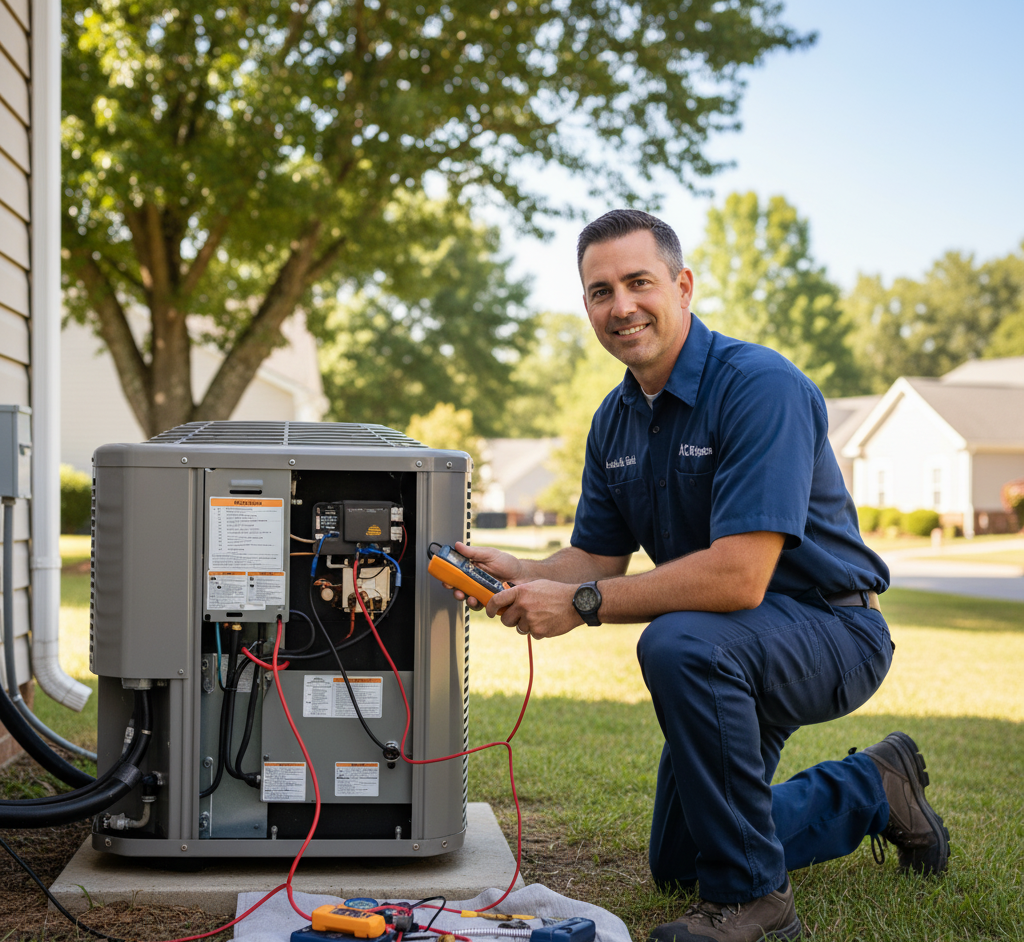
When the Atlanta heat hits, I know people in our neighborhood search for air conditioning repair Austell GA because a working system is more than comfort — it’s safety and finances. For reliable facts about energy use and efficiency that shape the choices homeowners make, I rely on clear guidance from the U.S. Department of Energy at energy.gov. In this article I’ll walk you through what to expect from an AC repair in Austell, how to spot real problems versus easy fixes, and the best steps to protect your indoor comfort through summer and beyond.
Why quick, local AC repair matters in Austell
Austell summers can get hot and humid, and that makes a broken or inefficient air conditioner a real disruption. I often speak with homeowners who delay repairs because they hope the problem will go away or they want to save money. The longer you wait, the more likely a minor issue becomes a major one — and repair costs climb fast. Beyond cost, a properly working system keeps humidity under control, improves indoor air quality, and prevents uneven wear that shortens the unit’s lifespan.
Common AC problems I see in this area
From my experience in this region, several issues keep showing up in service calls. Knowing these helps you describe the problem better when you call for help and may let you try a few safe checks before scheduling a technician.
System won’t turn on or cycles constantly
Often caused by tripped breakers, thermostat settings, or failed capacitors, this symptom is the most alarming for homeowners. If your system turns on and off frequently (short-cycling), it loses efficiency and stresses components.
Poor cooling or uneven temperature
Blocked filters, low refrigerant, dirty coils, or failing compressors can reduce cooling capacity. In older homes and apartments across Austell and nearby neighborhoods like Mableton and Lithia Springs, ductwork issues and poor insulation also contribute to uneven rooms.
Weird noises or bad smells
Grinding, banging, or hissing sounds usually point to mechanical failure, while burning smells could indicate electrical problems. Musty odors are often linked to moisture and mold in drip pans or ducts—something best left to pros to diagnose safely.
How I recommend evaluating whether to repair or replace
Deciding whether to repair or replace an air conditioner depends on age, cost of the repair, energy efficiency, and future reliability. Here’s a simple approach I use when advising homeowners.
- Age of the unit: Systems older than 10–15 years often lack modern efficiency and may use phased-out refrigerants.
- Cost of repair vs. value: If a repair approaches 50% or more of a new system’s price, replacement is usually the smarter long-term choice.
- Frequency of breakdowns: Multiple calls in a single season suggest looming major failures.
- Energy bills and comfort: If the house feels sticky and your utility bills are rising, a newer system can reduce costs and improve comfort.
What to expect during a professional repair visit
A trustworthy technician should do a clear set of steps to diagnose and fix the issue. I recommend looking for these actions so you know you’re getting quality service.
- System inspection: Visual checks of components, wiring, and ductwork plus HVAC performance metrics.
- Safety checks: Verifying electrical connections and ensuring there are no hazardous conditions.
- Cleaning actions: Removing debris, replacing or cleaning filters, and clearing drain lines when needed.
- Transparent estimates: A plain breakdown of parts, labor, timelines, and warranties before any work begins.
Easy troubleshooting you can try safely
Before you call for repair, there are a few basic checks I ask homeowners to do. These can avoid unnecessary service calls and help the technician diagnose faster if a visit is needed.
Step-by-step pre-check
Start by checking your thermostat settings to make sure it’s set to cooling and the temperature is lower than the room. Confirm circuit breakers and fuses for the HVAC are on and not tripped. Replace or clean the air filter if it looks dirty; a clogged filter reduces airflow and can trigger safety switches.
Outdoor unit checks
With the system off, look around the outdoor condenser. Clear away leaves, grass, or debris that might block airflow. If the coils look dirty, a gentle rinse with a hose (not a pressure washer) can help, but avoid bending the fins. If you smell refrigerant or see oil, shut the system down and call a technician immediately — that usually means a leak that requires certified repair.
Cost expectations for Austell residents
Repair costs vary with the issue and parts required, but having a ballpark helps you plan. Minor repairs like capacitors, contactors, or cleaning often run lower and usually get your system back to normal within a few hours. More involved repairs — compressor replacement, major refrigerant work, or control board issues — can be costlier and take longer. If efficiency is a concern, replacing an older unit with a modern high-efficiency system often saves money over several years, especially with rising energy costs in the region.
Seasonal maintenance to avoid emergency calls
In Austell and nearby neighborhoods such as Powder Springs and the outskirts near Sweetwater Creek State Park, regular maintenance pays off. I advise scheduling professional tune-ups in spring before heavy cooling demand begins and in fall to prepare heating systems if you have a combined HVAC setup. A good maintenance visit typically includes an inspection, coil cleaning, refrigerant check, filter replacement, and a performance tune-up that can lower the likelihood of mid-summer failures.
Simple homeowner maintenance checklist
These small actions keep systems running better between professional visits:
- Change or clean filters every 1–3 months depending on use and home conditions.
- Keep outdoor units clear of vegetation and debris for at least two feet of clearance.
- Program your thermostat with conservative settings when away to reduce strain.
- Check condensate drains monthly for clogs to prevent water damage and mold growth.
Two trends changing local HVAC work
There are a couple of trends I see affecting how we manage cooling in this area. First, smart thermostats and connected HVAC systems allow better control and energy tracking. They reduce run times and help technicians diagnose remotely in some cases. Second, there’s growing interest in heat pumps and high-efficiency systems that can both cool and heat with less energy, a smart choice for homeowners planning long-term upgrades.
How to choose the right local contractor
Not every company delivers the same quality. When I advise people here in Austell, I suggest focusing on experience, clear pricing, and local reputation — especially in neighborhoods where quick response matters. Ask whether technicians are NATE-certified or have equivalent training, whether the company carries insurance, and what warranties are offered on parts and labor. Local companies familiar with Austell’s climate, common house types, and typical duct layouts are more likely to make smart, lasting repairs.
Indoor air quality and health considerations
Air conditioning impacts more than temperature. Proper airflow and humidity control reduce mold, dust, and allergens that can affect breathing. If anyone in the house has allergies or asthma, mention that when you call for service — technicians can recommend filters, UV options, and humidity control strategies that can significantly improve indoor air quality in older homes and newer builds alike.
Emergency repair tips and what to expect
If your system fails during a heatwave, here’s how I suggest handling it to stay safe while waiting for help. First, keep interior blinds closed to reduce solar heat gain and use fans to promote evaporation cooling on skin. Move vulnerable family members to cooler rooms or consider temporary cooling centers if extreme heat is a health risk. When the technician arrives, ask for a clear timeline and whether any temporary fixes can keep your home safe until a permanent repair is completed.
Why preventive care saves money and time
Preventive maintenance isn’t just a nice-to-have — it prolongs unit life, retains efficiency, and reduces the chance of high-cost failures. A one-hour tune-up in spring often catches worn belts, low refrigerant, or minor electrical issues before they force a mid-summer emergency call. For multi-unit homes or rental properties in the city, scheduled maintenance also protects tenants and reduces turnover headaches.
Local considerations in Austell neighborhoods
Homes in the Austell area range from older bungalows to newer developments near I-20 and neighborhoods close to Six Flags. Older homes may have ductwork that needs sealing and insulation to prevent cooled air loss, while newer homes may face design issues like undersized systems or poor airflow. I advise homeowners to discuss home size, insulation levels, and recent renovations with technicians to ensure the system matches real needs, not just manufacturer ratings.
Final checklist before you call for a repair
Gathering a little information before you call helps the technician arrive prepared and speeds up repairs. Have these details ready if you can:
- Age of the system and any known past repairs
- Specific noises, smells, or behavior you noticed and when they started
- Thermostat model and recent settings
- Whether anyone in the home has health issues affected by heat or poor air quality
When you choose a repair partner, pick someone who explains problems and solutions plainly, offers written estimates, and stands behind their work with clear warranties. In many local cases I’ve seen, transparency and quick response keep homeowners cool and confident all summer long.
If you’re ready to get an AC issue diagnosed or want a seasonal tune-up in Austell, I recommend reaching out directly for a clear, local evaluation. For trusted, responsive service in the area, contact HHMEC to schedule an inspection or repair and keep your home comfortable through the hottest days.